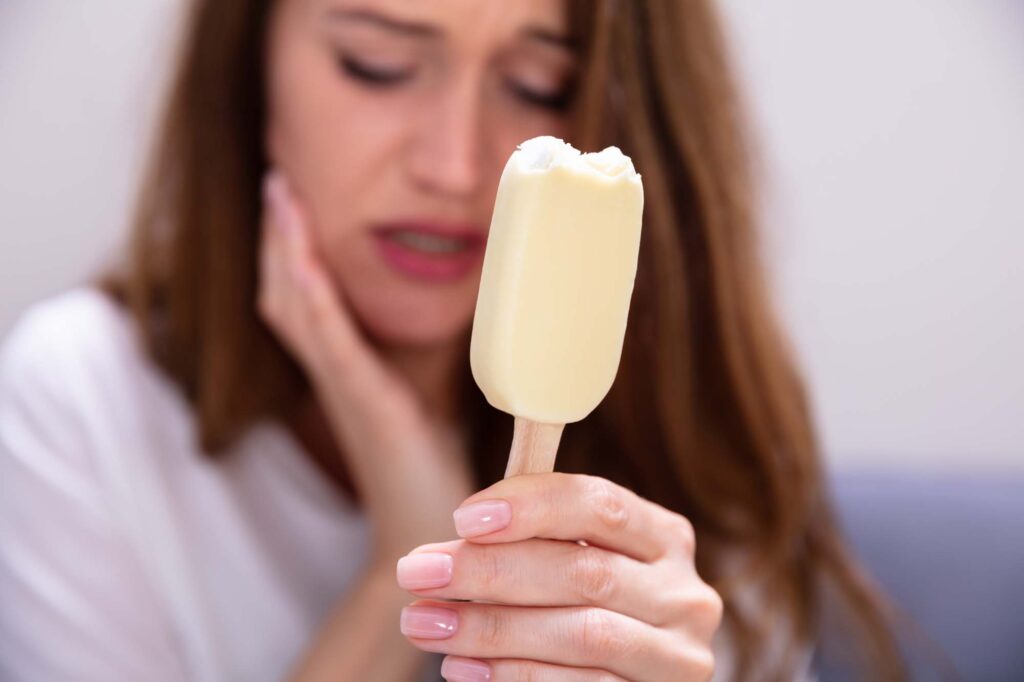
Do you ever feel a sudden jolt of pain when you sip something cold, hot, sweet, or sour? If so, you’re not alone. Tooth sensitivity is a common dental complaint that affects millions of people. While it can be frustrating or even painful, the good news is that it’s often treatable. In this blog post, we’ll explain what causes sensitive teeth and how you – and your dentist – can help manage the discomfort.
What Is Tooth Sensitivity?
Tooth sensitivity, also known as dentin hypersensitivity, is pain or discomfort in the teeth in response to certain stimuli – typically temperature changes, sweet or acidic foods, or even cold air. This sensitivity usually occurs when the dentin, the inner layer of the tooth, becomes exposed.
Dentin contains tiny tubules that lead to the nerve of the tooth. When dentin is no longer protected by enamel or gum tissue, those tubules allow hot, cold, or sweet substances to reach the nerves—causing pain or sensitivity.
Common Causes of Tooth Sensitivity
Here are some of the most frequent culprits:
1. Worn Tooth Enamel
Brushing too hard, using a hard-bristled toothbrush, or acidic foods and drinks can wear down your enamel over time.
2. Receding Gums
Gum recession exposes the roots of your teeth, which don’t have enamel and are much more sensitive to external stimuli.
3. Tooth Decay or Cracked Teeth
Cavities, chips, or cracks can expose the dentin and lead to sensitivity.
4. Grinding or Clenching
Chronic grinding or clenching (also known as bruxism) can wear down enamel and contribute to sensitivity.
5. Whitening Products or Harsh Toothpaste
Some whitening toothpaste and over-the-counter bleaching products can irritate the teeth, especially if used frequently.
6. Dental Procedures
Sensitivity can also occur after fillings, crowns, or professional cleanings. This kind is usually temporary and should go away within a few days.
How to Treat Sensitive Teeth
The best treatment depends on the cause, but here are some common ways to reduce sensitivity:
✅ Use a Desensitizing Toothpaste
These toothpastes contain compounds that block the nerve signals in your teeth. With regular use, many people find relief within a few weeks.
✅ Switch to a Soft-Bristled Toothbrush
Brushing gently with a soft-bristled brush helps protect your enamel and gums.
✅ Watch Your Diet
Cut back on acidic foods and drinks like soda, citrus, and wine, which can erode enamel.
✅ Fluoride Treatments
Your dentist can apply fluoride to strengthen tooth enamel and reduce sensitivity.
✅ Sealants or Bonding Agents
In some cases, your dentist may use bonding agents or sealants to cover exposed roots or areas of worn enamel.
✅ Mouthguards for Grinding
If you grind your teeth at night, a custom mouthguard can help prevent enamel wear and protect your teeth.
When to See Your Dentist
If your sensitivity is sudden, severe, or doesn’t improve with at-home care, it’s time to visit your dentist. It could be a sign of a deeper issue like a cavity, infection, or gum disease. Your dentist can determine the root cause and recommend the best course of action.
Conclusion
Tooth sensitivity can be more than just a minor annoyance – it can impact your quality of life. Fortunately, understanding the cause and taking the right steps can lead to real relief. If you’re experiencing tooth sensitivity, don’t wait. Talk to WPFD and get back to enjoying your favorite foods and drinks – pain-free.